
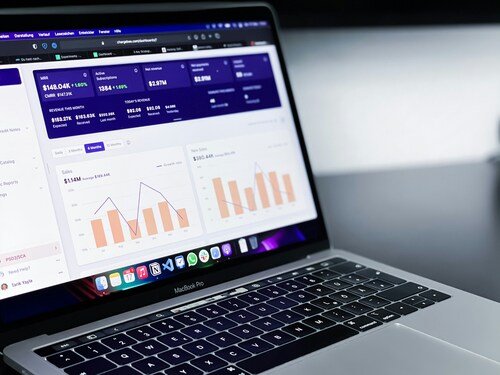
Managing wealth has never been more complex, yet more important. With the rise of multi-asset portfolios, global investing, digital-first clients, and ever-tightening regulations, the way financial professionals manage wealth is rapidly changing. Every company out there knows that relying on outdated tools and fragmented processes can seriously hinder performance and client satisfaction. This is where a good wealth management solution steps in.
Understanding the role of wealth management solutions
A wealth management solution is an integrated digital platform designed to help wealth managers, family offices, and high-net-worth individuals manage their financial assets more effectively. It combines portfolio management, performance analysis, compliance, reporting, and client communication in one centralized environment. So, instead of juggling different tools for data aggregation, client reporting, or risk oversight, a proper solution brings everything together – securely, accurately, and in real time.
Such platforms are more than just digital dashboards. They’re built to handle the intricacies of managing diverse portfolios that span custodians, asset classes, and jurisdictions. They offer features like automated data reconciliation, dynamic reporting, customizable analytics, and integrated compliance monitoring; all critical in today’s high-stakes financial environment.
Why it’s essential today
The real question is no longer whether you need a wealth management solution, but how much you’re losing by not having one. First, consider the volume and complexity of data. Modern portfolios can include equities, fixed income, private equity, real estate, and even digital assets, often spread across different banks and systems. Manually consolidating this information takes time and leaves room for oversight. A centralized solution automates this process, ensuring that data is accurate and updated in real time.
Another major reason to invest in a wealth management solution is the increasing demand for transparency and personalization from clients. Today’s investors want to see exactly how their portfolios are performing, understand their exposure, and receive tailored updates on their terms. A good solution offers flexible, white-labeled reporting tools that meet these expectations while freeing up advisor time for higher-value work.
Then there’s regulatory compliance – staying compliant is both critical and time-consuming. From KYC and AML checks to audit trails and breach alerts, a smart platform integrates these features into the daily workflow, reducing the risk of human error and making audits smoother and less stressful.
Last but not least, let’s not forget efficiency. Time is one of the most valuable resources in wealth management, and the more you automate routine tasks, the more time you have for strategic thinking and client service. No matter if it’s rebalancing portfolios, running performance benchmarks, or preparing tax reports, a wealth management solution streamlines operations across the board.
The takeaway
A wealth management solution isn’t just software – it’s an essential partner in delivering better outcomes for clients and a more sustainable, scalable business model for managers. It helps transform complexity into clarity, replaces guesswork with precision, and empowers wealth professionals to meet the demands of a fast-changing industry. In times where expectations are high and margins for error are low, having the right tools is simply fundamental to success.